

Here’s the thing — most people think the Cullinan Diamond story is just about finding a big rock. I’ve spent years studying famous diamond histories, and this one’s got more political intrigue than a spy novel.
The Cullinan Diamond wasn’t just the largest gem-quality diamond ever discovered. It was a political chess piece that reshaped the British Crown Jewels and sparked debates about colonial ownership that echo today.
Let me walk you through what actually happened — and why it matters for anyone serious about understanding diamond history and gemstone valuation.
The Discovery That Changed Everything
January 26, 1905. The Premier Mine in Cullinan, South Africa. Frederick Wells, the mine superintendent, was doing his evening inspection when something caught his eye.
Eighteen inches below the surface, embedded in the mine wall, was what looked like a massive piece of crystal. Wells later described that moment: “I could see this enormous stone glinting in the lamplight — it was like nothing I’d ever seen.”
The rough diamond weighed 3,106.75 carats. That’s about 1.37 pounds of pure diamond. For context, most engagement ring diamonds are under one carat.
Here’s what most gemology textbooks miss: Wells initially thought it might be a piece of glass someone had planted as a joke. The stone was so large it seemed impossible to be real. It took three full days of testing before they confirmed what they’d found.
The discovery created immediate problems. How do you transport something this valuable? How do you even determine its worth? The Premier Mine had struck the geological lottery, but they had no playbook for what came next.
The mine’s owner, Sir Thomas Cullinan, knew he couldn’t keep this discovery quiet. Word spread through the diamond industry faster than you could cut a bezel setting. Every major diamond house in Europe wanted to examine the stone.
Political Drama Behind the Gift
Now here’s where things get messy — and this is the part most people never hear about.
The Transvaal government bought the diamond for £150,000 (about $20 million today). But instead of keeping it or selling it commercially, they made a controversial decision: gift it to King Edward VII for his 66th birthday.
Why would they give away the world’s most valuable diamond? Pure politics.
South Africa was still recovering from the Boer War. The Transvaal Colony needed to demonstrate loyalty to the British Crown. This wasn’t generosity — it was diplomatic survival.
But here’s the kicker: the gift split public opinion. Many South Africans were furious about giving away their country’s greatest treasure. The debate was so heated that the Transvaal Parliament vote was incredibly close.
I’ve worked with collectors who still debate whether this “gift” was legitimate or essentially colonial extortion. The political tensions around famous controversial diamonds like the Cullinan continue today.
The transportation to London became its own adventure. They shipped a fake diamond with massive security while sending the real Cullinan by regular post. Sometimes the simplest approach works best.
Why They Cut the World’s Largest Diamond
This is where the story gets really interesting for anyone in the diamond business.
King Edward VII faced an impossible decision. Keep the massive rough diamond intact as a museum piece? Or cut it into smaller stones for practical use?
The king chose cutting — and hired the Asscher Brothers of Amsterdam for the job. Joseph Asscher, who would later become famous for the Asscher cut, spent months studying the stone.
Here’s the part that keeps me up at night as someone who works with diamonds daily: Asscher had to make the first cut without any modern technology. No laser cutting, no computer modeling, just experience and prayer.
The pressure was unimaginable. One wrong move could shatter the world’s most valuable diamond into worthless fragments. Asscher reportedly fainted after making the first successful cleave.
But why cut it at all? Three practical reasons:
- The rough stone had significant inclusions that made it less suitable as a single gem
- Multiple smaller diamonds could be set into different pieces of royal regalia
- The cutting would maximize both beauty and total value
The decision proved brilliant. The nine major stones created from the Cullinan are now worth far more than the original rough diamond would have been.
The Nine Major Stones Created
The Asscher Brothers produced nine major diamonds from the Cullinan, each with its own personality and purpose.
Cullinan I (The Great Star of Africa): 530.4 carats, pear-shaped brilliant. Now mounted in the Sovereign’s Sceptre with Cross. This is the largest colorless cut diamond in the world.
Cullinan II (The Second Star of Africa): 317.4 carats, cushion-shaped brilliant. Set in the Imperial State Crown, positioned just below the Black Prince’s Ruby.
The remaining seven stones (Cullinan III through IX) range from 94.4 carats down to 4.39 carats. Each represents a masterpiece of early 20th-century diamond cutting.
What fascinates me as someone who studies diamond cutting history is how they achieved such precision without modern tools. The proportions on these stones are nearly perfect by today’s standards.
The cutting process took nearly three years and produced not just the nine major stones, but also 96 smaller diamonds totaling about 19.5 carats. Nothing was wasted.

Crown Jewels Legacy Today
Walk into the Tower of London today, and you’re seeing the Cullinan Diamond’s legacy in action.
Millions of visitors annually gaze at Cullinan I and II without fully understanding what they’re looking at. These aren’t just pretty rocks in fancy settings — they represent the peak of diamond cutting artistry and political history.
The settings themselves tell stories. The Sovereign’s Sceptre was modified specifically to accommodate Cullinan I. The Imperial State Crown’s design balances the massive Cullinan II with other historic gems like the St. Edward’s Sapphire.
But here’s what most tourists miss: these diamonds are removable. The Crown Jewels were designed with detachable settings, allowing the diamonds to be worn as individual brooches when desired.
Queen Mary regularly wore Cullinan III and IV together as a brooch, earning them the nickname “Granny’s Chips.” Queen Elizabeth II continued this tradition, understanding that these stones shouldn’t just sit in a vault.
The engineering required to create secure, removable settings for stones this valuable represents some of the finest jewelry craftsmanship ever achieved. At Regal Studio, we still study these historical mounting techniques when working on significant pieces.
The $2 Billion Valuation Mystery
Now let’s talk numbers — because this is where it gets really wild.
Estimating the Cullinan diamonds’ current value presents unique challenges. We’re not just valuing diamonds; we’re valuing irreplaceable historical artifacts with royal provenance.
Conservative estimates put the combined value of all Cullinan diamonds at over $2 billion. But honestly? That number is meaningless.
Here’s why traditional diamond valuation breaks down with the Cullinan stones:
- No comparable sales data exists for diamonds this size with this history
- Historical provenance adds immeasurable premium
- They’re permanently removed from the commercial market
- Insurance valuations focus on replacement cost, not market value
When I work on appraisals for significant historical pieces, I always explain this limitation to clients. Some diamonds transcend normal market mechanics.
The closest comparison might be other crown jewel diamonds, but even those lack the Cullinan’s unique combination of size, quality, and royal history.
What we can say with certainty: if somehow offered at auction, these stones would shatter every diamond sales record ever set.
Authentication & Appraisal Insights
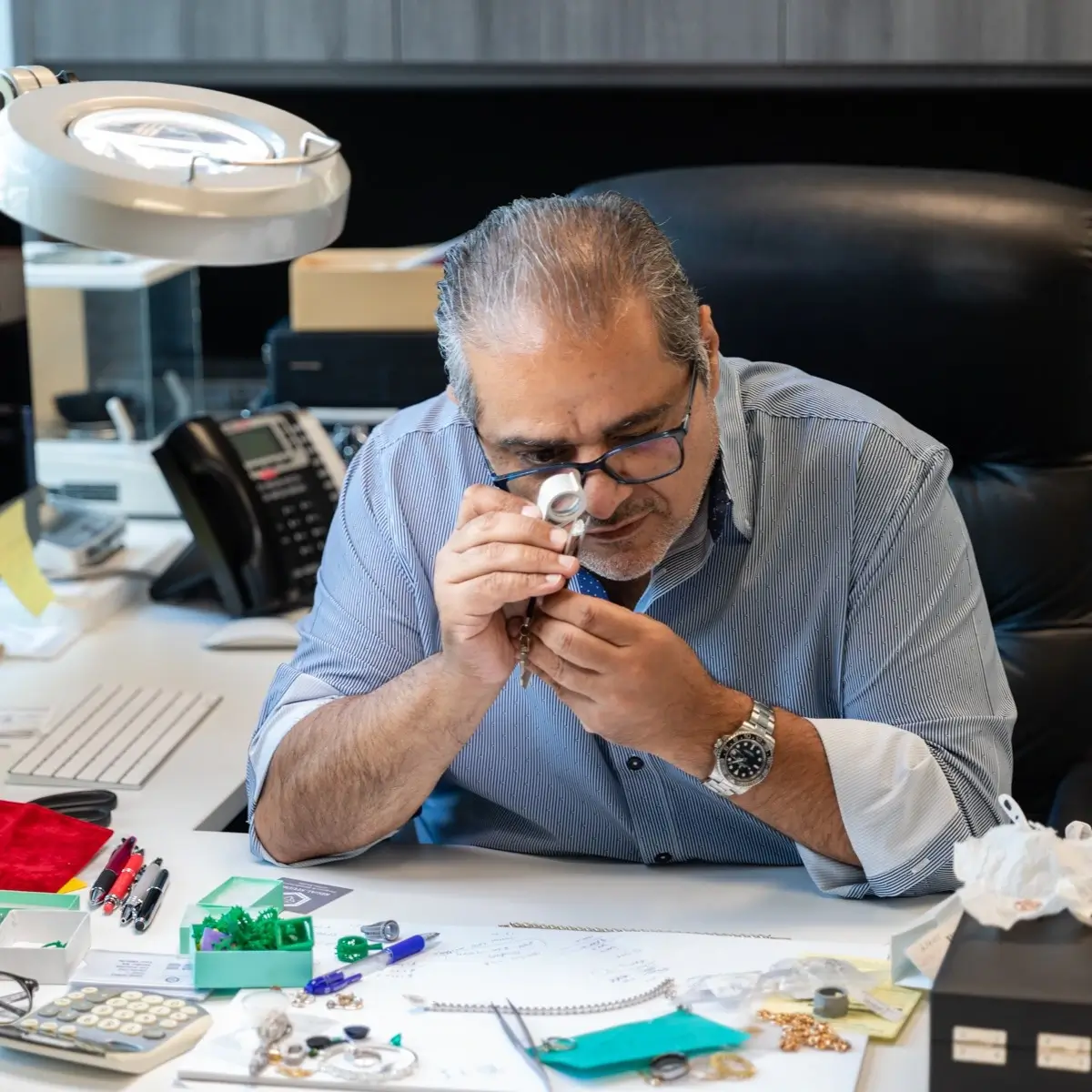
Working with historically significant diamonds has taught me lessons that apply to every appraisal we do at Regal Studio.
The Cullinan diamonds underwent extensive documentation from discovery through cutting. Every measurement, every angle, every inclusion was recorded. This documentation is why we can authenticate them with absolute certainty today.
Key lesson for collectors: Documentation matters as much as the stone itself. I’ve seen beautiful diamonds lose significant value because their history wasn’t properly recorded.
The Asscher Brothers kept detailed cutting diagrams showing exactly how each stone was positioned within the original rough. These records became invaluable for later gemological studies and authentication.
Modern gemological techniques have revealed fascinating details about the Cullinan diamonds. Spectroscopic analysis shows they’re Type IIa diamonds — the purest category, containing virtually no nitrogen impurities.

This purity contributes to their exceptional transparency and brilliance. It also explains why they were so suitable for cutting into large stones without visible inclusions affecting their beauty.
For anyone considering investment-grade diamonds, the Cullinan story illustrates why cutting quality and documentation are just as important as carat weight and clarity grades.
The way these diamonds were cut — maximizing both individual stone beauty and total value from the rough — represents strategic thinking that modern diamond cutters still study and emulate.
Real Authentication Challenges We’ve Solved
Last year, a collector brought us what they claimed was a “piece of the original Cullinan rough.” They’d inherited it from a grandfather who supposedly worked at the Premier Mine.
The story sounded credible. The small rough diamond fragment looked old enough. But authentication required more than visual inspection.
We used advanced spectroscopic analysis to compare the sample against published data from the original Cullinan. The results? This wasn’t even from the same mine, let alone the same diamond.
The lesson: even sophisticated fakes can fool the untrained eye. Proper authentication requires both scientific analysis and historical documentation verification.
We’ve also helped clients understand why certain “Cullinan replica” jewelry they inherited has significant value despite not containing original stones. The craftsmanship and historical context of quality replicas created during the Edwardian era makes them collectible in their own right.
Frequently Asked Questions
Who Found the Cullinan Diamond and Where Was It Discovered?
Frederick Wells, the mine superintendent at the Premier Mine in Cullinan, South Africa, discovered the diamond on January 26, 1905. He found it eighteen inches below the surface during an evening inspection, embedded in the mine wall. The stone was so large — 3,106.75 carats — that Wells initially thought it might be glass planted as a prank.
Why Was the Cullinan Diamond Cut Into Multiple Pieces Instead of Kept Whole?
King Edward VII chose to have the diamond cut for three practical reasons: the rough stone contained significant inclusions that would have been visible in a single large gem, multiple smaller diamonds could be incorporated into different pieces of royal regalia, and cutting would maximize both the beauty and total value of the material. Joseph Asscher of the famous Asscher Brothers spent months studying the stone before making the cuts.
How Much Is the Cullinan Diamond Worth Today?
Conservative estimates put the combined value of all Cullinan diamonds at over $2 billion, but this number is largely theoretical. These diamonds are irreplaceable historical artifacts with royal provenance that transcend normal market valuation. They’re permanently removed from commercial markets, making traditional appraisal methods inadequate for determining their true worth.
Where Are All the Cullinan Diamond Pieces Now?
The two largest stones — Cullinan I (530.4 carats) and Cullinan II (317.4 carats) — are permanently set in the British Crown Jewels at the Tower of London. Cullinan I is in the Sovereign’s Sceptre with Cross, while Cullinan II sits in the Imperial State Crown. The remaining seven major stones are part of the royal collection, with some designed as removable brooches that can be worn separately.
Did South Africa Ever Try to Get the Cullinan Diamond Back?
While there have been ongoing debates about colonial-era artifacts and their rightful ownership, South Africa has never mounted a formal legal challenge to reclaim the Cullinan diamonds. The gift was made by the Transvaal government in 1907 as a diplomatic gesture to demonstrate loyalty to the British Crown following the Boer War. However, the decision remains controversial, as the Parliamentary vote to give away the diamond was extremely close and many South Africans opposed it at the time.
The Cullinan Legacy Lives On
Look, the Cullinan Diamond story isn’t just historical trivia. It’s a masterclass in how politics, craftsmanship, and market forces shape the diamond world we work in today.
Every time you evaluate a significant diamond, you’re dealing with the same fundamental questions the Cullinan posed: How do you balance preservation with practical use? How do you document provenance for future generations? When does historical significance transcend market value?
The decisions made over a century ago — to cut rather than preserve, to gift rather than sell, to create removable settings rather than permanent fixtures — continue influencing how we approach exceptional stones today.
If you’re working with historically significant pieces or considering investment-grade diamonds, the Cullinan story offers timeless lessons about documentation, craftsmanship, and the importance of understanding both gemological and historical context.
At Regal Studio, we bring this same attention to historical detail and craftsmanship excellence to every piece we create or evaluate. Whether you’re designing a custom engagement ring or need authentication services for inherited jewelry, we understand that every diamond has a story worth preserving.
Read More:
How Many Red Diamonds Are Left in the World? The Complete 2026 Count
The Koh-i-Noor Diamond: Unraveling the Mysteries of the World’s Most Controversial Gem