Giant 11,000-Carat Ruby Discovered in Myanmar: What This Historic Find Really Means
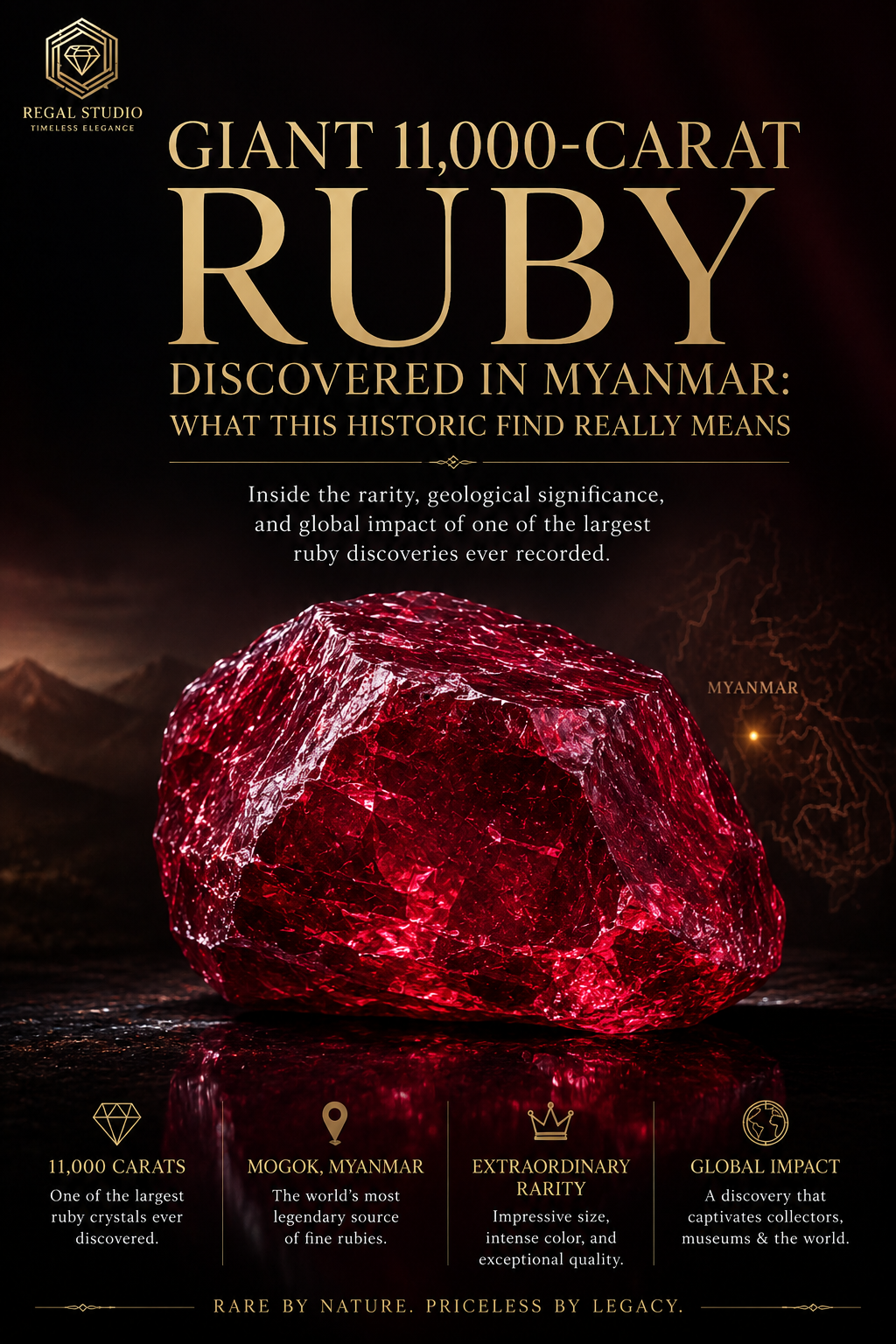
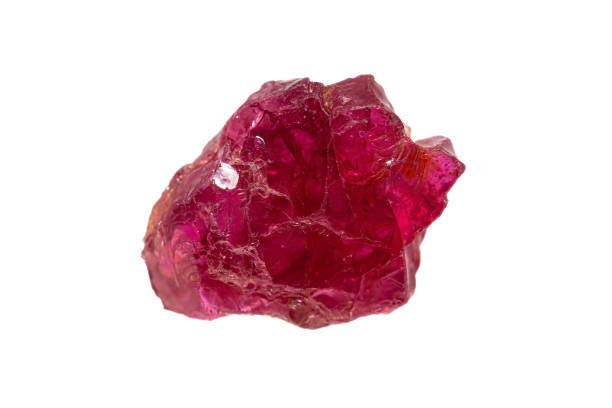
In May 2026, miners in Myanmar’s Mogok region discovered an 11,000-carat ruby weighing 2.2 kilograms (4.8 pounds), making it the second-largest ruby ever found in the country and one of the largest rough rubies in the world. According to Myanmar’s state media on May 8, 2026, the giant gemstone displays a rare purplish-red color with yellowish undertones, and despite being smaller than the record-holding 21,450-carat ruby found in 1996, officials say its superior color, clarity, and untreated natural state could make it significantly more valuable. The discovery has reignited global discussion about Myanmar’s complex role as the source of approximately 90% of the world’s rubies, while drawing renewed attention from human rights organizations like Global Witness who continue to urge international jewelers to stop sourcing Myanmar gems due to ongoing civil conflict.
In our market observations across more than four decades of evaluating fine gemstones, the 2026 Mogok discovery represents one of the most consequential ruby announcements of the past 30 years. Experience has shown that finds of this magnitude reshape pricing, sourcing ethics, and collector demand for years afterward, regardless of whether the stone itself ever reaches the open market.
The 11,000-Carat Myanmar Ruby at a Glance
Before diving into the full breakdown, here is the practical 2026 snapshot every collector should know.
Attribute | Detail |
Discovery date | Mid-April 2026 (announced May 8, 2026) |
Carat weight | 11,000 carats (2,200 grams / 4.8 pounds) |
Color | Purplish-red with yellowish undertones |
Quality grade | High-quality color grade per officials |
Treatment status | Untreated (no heat or chemical treatment) |
Surface character | Vitreous (glassy) luster |
Transparency | Moderate transparency |
Discovery location | Mogok area, Mandalay Region, Myanmar |
Mine geology | Marble-hosted ruby deposits |
Country ranking | Second largest ruby ever found in Myanmar |
Largest predecessor | 21,450 carats (1996, same Mogok region) |
Other major Myanmar rubies | NaSaKa (2,789.25 ct, 2022), SLORC (496.25 ct, 1990) |
Future status | Unknown (cut, kept whole, or auctioned) |
Estimated value | Multi-million dollars (no precise figure released) |
A key insight often overlooked: the 11,000-carat ruby is described as “untreated,” which is one of the most important attributes in modern gemstone valuation. Untreated Burmese rubies command premiums of 5 to 10 times over treated stones of comparable size and color.
Why This Discovery Matters Beyond the Numbers
The 11,000-carat figure dominates headlines, but the ruby’s actual significance comes from six interlocking factors that make this stone genuinely exceptional.
The six factors driving the 2026 Mogok ruby’s importance:
- Untreated natural state: no heat or chemical enhancement
- Color quality: purplish-red with yellowish undertones, high-quality grade
- Vitreous luster: glassy surface indicating superior crystal structure
- Mogok provenance: world’s most prestigious ruby origin
- Documented chain of custody: state-verified from extraction
- Comparative context: officials assert higher value than 1996 record stone
Experience has shown that no single factor alone justifies the excitement around this find. The combination of all six in one stone is what places this ruby in conversation with the most legendary rubies in modern history.
Mogok: The “Valley of Rubies” Where Emperors Once Fought
To understand why the 11,000-carat discovery matters, you have to understand Mogok’s unique geological and historical significance.
The Geological Foundation
Mogok is located in Myanmar’s Mandalay Region, in a remote highland valley. The area’s geology is what makes it the world’s most prestigious ruby source.
What makes Mogok rubies different:
- Deposits formed inside marble that metamorphosed under extreme heat and pressure
- Trace chromium gives Mogok rubies their signature red fluorescence
- Under ultraviolet light, fine Mogok rubies glow from within with visible intensity
- This internal glow is observable to the naked eye in fine specimens
- The marble-hosted geology produces less iron contamination than basalt-hosted sources
In our professional assessment, Mogok’s marble-hosted geology is the single reason these rubies command premium pricing globally. No other major ruby source produces stones with comparable internal fluorescence.
The “Pigeon-Blood” Color Standard
The term “pigeon-blood” was first used in 1829 to describe the finest rubies from the Mogok mines. The phrase refers to a specific color profile:
- Deep crimson red
- Faint blue undertone
- High color saturation
- Minimal brown or orange modifiers
Today, “pigeon-blood” is a globally recognized grading standard. Major auction houses including Sotheby’s and Christie’s use this designation, and it commands multi-million-dollar premiums even for smaller stones.
A key insight often overlooked: the 11,000-carat 2026 ruby is described as “purplish-red,” which is technically distinct from classic pigeon-blood. However, officials emphasize its “high-quality color grade,” suggesting it represents an exceptional variant rather than a lesser grade.
Centuries of Conflict Over Mogok
Mogok’s value has driven conflict for over 1,000 years. Emperors, kings, and warlords have fought for control of the valley throughout history. This pattern of conflict over Mogok’s wealth continues today in different forms.
Your Trusted Custom Jewelry Store
EXCELLENTTrustindex verifies that the original source of the review is Google. Regal Studios excellent service outstanding workmanship unbeatable pricesPosted onTrustindex verifies that the original source of the review is Google. Mack and his crew was amazing the piece that they did for me was fabulous his prices are phenomenal will definitely be going back.Posted onTrustindex verifies that the original source of the review is Google. I know Mackie the owner of Regal Studio for 30 years and is the best jewelers in Atlanta Great prices on Diamonds and gold and Paul the manager he's the best customer service you can ask for. Love you guy'sPosted onTrustindex verifies that the original source of the review is Google. Regal Studio is the best jeweler in the Atlanta area! Can’t wait to visit again! Smart and friendly staff they make purchases easy!!Posted onTrustindex verifies that the original source of the review is Google. I recently had the wonderful experience of visiting Regal Studio Diamond Jewelers. Exceptional service and the Highest Quality of stones. Paul really makes you feel like saying “I Do” with so many beautiful rings. Why go anywhere else?Posted onTrustindex verifies that the original source of the review is Google. Excellent service!!!!! One of a kind diamonds!!! The best in the business!!! So glad to be doing business with Regal Studios.Posted onTrustindex verifies that the original source of the review is Google. HANDS down best jeweler ever in any state. I've been to several and the prices ,quality and time spent are unmatched.Posted onTrustindex verifies that the original source of the review is Google. These guys are super friendly, fast communicators and do great work!Posted onTrustindex verifies that the original source of the review is Google. Love doing business with them will definitely be doing business with them againVerified by TrustindexTrustindex verified badge is the Universal Symbol of Trust. Only the greatest companies can get the verified badge who has a review score above 4.5, based on customer reviews over the past 12 months. Read more
Myanmar’s Historic Ruby Production Context
The 2026 discovery sits within Myanmar’s documented history of producing extraordinary rough rubies. The country’s state media noted four major historical finds, all from the Mogok region.
Myanmar’s most significant ruby discoveries:
Discovery Year | Stone Name | Weight | Notes |
1990 | SLORC Ruby | 496.25 carats | Named after military council |
1996 | Unnamed Record Stone | 21,450 carats | Largest by mass in Myanmar history |
2022 | NaSaKa Ruby | 2,789.25 carats | Pre-pandemic find |
2026 | Unnamed Mogok Ruby | 11,000 carats | This article’s subject |
The 1996 stone remains the largest by pure mass, but the 2026 discovery’s superior quality (higher color grade, better clarity, untreated) has led officials to value it above the older find despite the 11,000-carat stone being only about half the weight.
In our market observations, this is consistent with how ruby pricing actually works. A 2-carat untreated pigeon-blood ruby of exceptional quality often outperforms a 5-carat treated stone of lesser quality. Mass alone does not determine value.
What “Untreated” Actually Means and Why It Matters So Much
The 2026 Mogok ruby’s untreated status is one of its most important characteristics. This single attribute can multiply a stone’s value by 5 to 10 times over comparable treated rubies.
How Most Rubies on the Market Are Treated
Approximately 95% of rubies sold globally have undergone some form of treatment. The most common treatments include:
- Heat treatment: improves color and clarity by removing inclusions
- Lead glass filling: fills surface fractures to improve appearance
- Beryllium diffusion: alters color through chemical infusion
- Lattice diffusion: changes color via heat with chemical additives
These treatments are legal and disclosed when properly documented. They make rubies more affordable and visually appealing, but they significantly reduce long-term investment value.
Why Untreated Matters
A truly untreated natural ruby:
- Retains all original geological characteristics
- Carries premium per-carat pricing
- Holds investment value across decades
- Receives “Untreated” designation on major lab reports
- Commands collector and auction-house demand
The 11,000-carat 2026 Mogok ruby’s confirmed untreated status places it in the rarest 1-2% of all rubies in the global market.
A key insight often overlooked: the price difference between an untreated and a heat-treated Burmese ruby of the same size and color is often greater than the price difference between two stones of dramatically different size. Treatment status matters more than carat weight for ruby valuation.
The Ethical Complexity: Myanmar’s Gemstone Trade in 2026
The 2026 discovery reignited a global ethical debate that has surrounded Myanmar’s ruby industry for decades. Understanding this context is essential for any responsible buyer or collector.
Myanmar’s Position in the Global Ruby Market
Myanmar produces approximately 90% of the world’s rubies, with Mogok representing the most prestigious source within the country. The industry generates billions of dollars annually but operates in a notoriously unregulated environment.
The Civil War Context
Myanmar has been in a state of civil war since the military coup of February 2021. The recently sworn-in civilian president, former military chief Min Aung Hlaing, was photographed examining the 11,000-carat ruby on the front page of state media, which has drawn additional attention from international observers.
The political situation in 2026:
- Military junta has controlled the country since the 2021 coup
- A “tightly restricted election” preceded the recent civilian transition
- Civil war continues in multiple regions
- Mining areas remain under military or armed group control
- Sanctions from major Western nations remain in place
Global Witness and the Ethical Sourcing Movement
Organizations like Global Witness have urged international jewelers to stop buying Myanmar gemstones, arguing that the trade directly funds:
- The ongoing civil conflict
- Human rights abuses in mining regions
- The military government’s economic operations
- Armed ethnic groups controlling certain mining areas
In response, many major Western jewelers have implemented Myanmar gem restrictions or full bans on new Burmese ruby sourcing.
The Ethical Sourcing Position
In our professional assessment, the ethical sourcing question is one of the most important issues in modern gemstone collecting. Buyers should understand:
- Pre-2021 Burmese rubies sourced before the coup are generally considered ethically defensible
- Stones with full provenance documentation predating the conflict carry less ethical risk
- Rubies sourced from alternative origins (Mozambique, Madagascar, Tanzania) provide ethical alternatives
- Vintage and estate Burmese rubies offer access to fine quality without supporting current conflict
A key insight often overlooked: the most ethically defensible way to own a fine Burmese ruby in 2026 is through the secondary market, sourcing pre-conflict stones with documented provenance rather than newly extracted material from current Mogok mining operations.
How the 2026 Ruby Compares to Other Major Ruby Discoveries
To fully appreciate the Myanmar discovery’s significance, see how it compares to other major rough ruby finds in modern history.
Ruby/Source | Weight | Status | Notable Aspect |
1996 Mogok Ruby | 21,450 ct | Unknown | Largest by mass in Myanmar history |
2026 Mogok Ruby | 11,000 ct | State-held (Myanmar) | Higher quality than 1996 record |
2022 NaSaKa Ruby | 2,789.25 ct | Unknown | Major pre-coup find |
2009 Mozambique Find | Various | Sold privately | Major non-Myanmar source |
Sunrise Ruby | 25.59 ct cut | Sotheby’s $30.4M (2015) | Per-carat record holder |
Hope Ruby | 32.08 ct cut | Christie’s $6.7M (2012) | Famous cut Burmese ruby |
Graff Ruby | 8.62 ct cut | Sotheby’s $8.6M (2014) | Per-carat $1M cut record |
In our market observations, the 11,000-carat 2026 discovery is significant primarily as a rough specimen. The cut and polished rubies that command auction records are dramatically smaller. If the 2026 ruby is eventually cut, it could potentially yield multiple major faceted stones.
What Happens to the 11,000-Carat Ruby Now?
The future of the 2026 Mogok ruby remains uncertain. Myanmar’s state report did not specify whether the stone will be:
- Cut and polished: yielding multiple faceted gemstones
- Kept whole as a museum specimen: preserving its rough character
- Offered at auction: testing the international market under sanctions
- Held by the state: as a national treasure or strategic asset
- Sold privately: through opaque channels common in the Myanmar gem trade
Each possibility carries different implications for international collectors and the global ruby market.
In our professional assessment, the most likely outcome is that the stone will be retained by Myanmar’s state apparatus for the foreseeable future. Western auction houses face significant compliance challenges in handling newly extracted Myanmar gems under current sanctions regimes.
What This Discovery Means for Ruby Collectors and Investors
For collectors and serious gemstone buyers, the 2026 Myanmar discovery has four practical implications.
Four practical implications for ruby buyers:
- Burmese ruby pricing pressure will continue: Mogok rubies will remain the global premium standard, with prices likely rising as ethical sourcing tightens supply.
- Pre-2021 provenance becomes increasingly valuable: rubies with documented origins predating the current civil conflict now carry meaningful premium value over newly extracted material.
- Alternative sources gain credibility: Mozambique, Madagascar, and Tanzania rubies now compete more seriously with Burmese stones, particularly for ethically conscious buyers.
- Authentication becomes more complex: distinguishing genuine Mogok rubies from treated or origin-misrepresented alternatives now requires more sophisticated lab analysis than ever before.
A key insight often overlooked: the 2026 discovery may actually accelerate buyer migration toward non-Myanmar ruby sources, as ethical concerns and supply uncertainty drive collectors toward stones with cleaner provenance documentation.
Common Mistakes Ruby Buyers Make in the Wake of Major Discoveries
In our market observations across thousands of fine gemstone transactions, certain mistakes consistently appear when news drives buyer interest in colored gemstones.
- Confusing rough discovery news with cut stone availability (the 11,000-carat ruby is rough, not for sale as cut gems)
- Buying “Burmese rubies” without origin verification from major gemological labs
- Skipping treatment disclosure documentation (95% of market rubies are treated)
- Trusting verbal “untreated” claims without lab certification
- Overpaying for treated stones during news-driven price spikes
- Missing the importance of color modifier identification (purplish-red vs. orangey-red vs. brownish-red)
- Assuming “natural” means “untreated” (different technical definitions)
- Buying without understanding ethical sourcing implications (current vs. pre-2021 origin)
Expert Analysis: Five Truths About the 2026 Myanmar Ruby Discovery
In our market observations across more than four decades of fine gemstone evaluation, the 2026 Mogok find reflects five patterns that shape the global ruby market.
Five insights from the bench:
- Quality matters more than mass for ruby valuation. Officials’ assertion that the 11,000-carat 2026 ruby may exceed the 21,450-carat 1996 stone in value despite being half the size is consistent with how ruby pricing actually works. Color saturation, treatment status, and clarity drive value far more than weight alone.
- Untreated status is the single most important authentication signal. Experience has shown that any ruby purchase above $1,000 should come with explicit lab documentation confirming treatment status. The 2026 ruby’s confirmed untreated state is one of the most consequential aspects of its valuation.
- Mogok’s geological uniqueness cannot be replicated. The marble-hosted geology that produces Mogok rubies’ internal fluorescence does not exist elsewhere. This means Burmese ruby premiums will persist regardless of supply expansion from alternative sources.
- Ethical sourcing concerns will reshape the global ruby market through 2030. Experience has shown that consumer awareness of conflict gemstones is accelerating, particularly among younger collectors. The 2026 discovery will likely intensify scrutiny rather than reduce it.
A trusted jeweler relationship matters more for fine rubies than for almost any colored gemstone. The technical complexity of treatment detection, origin verification, and ethical sourcing demands expertise no individual buyer can match alone.
How GIA Certified Experts Authenticate Fine Rubies
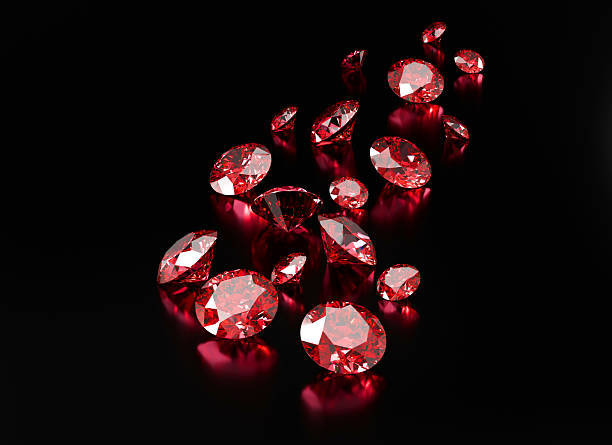
Beyond standard gemstone authentication, professional ruby evaluation includes:
- Origin determination: Burma vs. Mozambique vs. Madagascar vs. Tanzania vs. Thailand
- Treatment detection: heat, lead glass, beryllium, lattice diffusion analysis
- Color grade verification: pigeon-blood vs. purplish-red vs. orangey-red identification
- Inclusion analysis: identifying mine-specific characteristics
- UV fluorescence testing: confirming chromium-induced internal glow
- Spectroscopic analysis: detecting treatments invisible to the naked eye
- Provenance verification: pre-2021 vs. post-conflict documentation
- Comparative reference: matching against known specimens from major mines
Buyers can learn the basics of ruby evaluation. Mastering professional ruby authentication takes years of dedicated study. That is why a relationship with a GIA Certified expert is essential for any serious ruby purchase.
Frequently Asked Questions About the 11,000-Carat Myanmar Ruby
Where was the 11,000-carat ruby discovered in Myanmar?
The 11,000-carat ruby was discovered in mid-April 2026 in the Mogok area of Myanmar’s Mandalay Region. The find was announced by Myanmar state media on May 8, 2026. Mogok has been the world’s most prestigious ruby source for over 1,000 years and is famous for producing the rare “pigeon-blood” red rubies that command multi-million-dollar prices at international auctions.Is the 11,000-carat ruby the largest ever found in Myanmar?
No. The 11,000-carat 2026 ruby is the second-largest ruby ever found in Myanmar by weight. The largest is a 21,450-carat (4,290 grams) ruby discovered in 1996, also from the Mogok region. However, Myanmar officials assert that the 2026 stone may be more valuable despite being smaller, due to its superior color, clarity, and untreated natural state. Other significant Myanmar rubies include the 2,789.25-carat NaSaKa (2022) and the 496.25-carat SLORC (1990).How much is the 11,000-carat Myanmar ruby worth?
Myanmar officials have not released a precise valuation for the 11,000-carat ruby. The state has described it as “exceptionally large, rare, and difficult to find” and has indicated its value exceeds the 1996 record stone. Industry experts estimate the rough stone could be worth tens of millions of dollars based on quality grade, untreated status, and Mogok provenance. Final valuation depends on whether the stone is cut, kept whole, or auctioned, and on current sanctions complications affecting Myanmar gemstone trade.Why are rubies from Myanmar’s Mogok region so valuable?
Mogok rubies are valuable for three primary reasons: unique marble-hosted geology that produces signature internal red fluorescence under UV light, deep “pigeon-blood” color saturation found nowhere else in the world, and centuries of recognized provenance dating to 1829 when the term “pigeon-blood” was first used. Myanmar produces approximately 90% of the world’s rubies, but Mogok specifically produces the rarest and most valuable specimens, with the highest-quality stones fetching multi-million-dollar prices at major auctions.Are Myanmar rubies ethical to buy in 2026?
The ethical question is complex. Myanmar’s gemstone industry has been linked to military funding, human rights abuses, and ongoing civil conflict since the 2021 coup. Organizations like Global Witness urge international jewelers to avoid newly sourced Myanmar gems. However, pre-2021 Burmese rubies with documented provenance predating the current conflict are generally considered ethically defensible. Alternative ruby sources (Mozambique, Madagascar, Tanzania) offer ethically clean options, though typically without the unique characteristics of Mogok stones. Buyers should require complete provenance documentation and consult with knowledgeable, GIA-certified experts.
Key Takeaways: The 11,000-Carat Myanmar Ruby Discovery
- The 11,000-carat ruby was discovered in mid-April 2026 in Mogok, Myanmar
- It is the second-largest ruby ever found in Myanmar (after the 21,450-carat 1996 stone)
- The 2026 ruby may be more valuable despite being smaller due to superior color and untreated state
- Myanmar produces approximately 90% of the world’s rubies
- Mogok’s marble-hosted geology produces the unique “pigeon-blood” red fluorescence
- The discovery has reignited ethical sourcing debates about Myanmar gemstones
- Untreated status is the single most important authentication signal for fine rubies
- The future of the 11,000-carat ruby (cut, kept whole, or auctioned) remains undisclosed
Final Thoughts: Why Expert Guidance Matters More Than Ever
The 11,000-carat Mogok discovery is more than a news story. It is a snapshot of how the global colored gemstone market actually works in 2026: dramatic finds, complex ethical questions, treatment risks, and pricing dynamics that make expert guidance more essential than ever. The same principles that make this single rough ruby valuable also shape every quality ruby purchase you might consider, just on a dramatically different scale.
You may never own an 11,000-carat rough ruby. But the principles that define the 2026 Mogok discovery’s value apply to every fine ruby you might consider for an engagement ring, anniversary piece, or investment-grade stone. Color matters. Treatment status matters. Origin documentation matters. Ethical provenance matters. And the right expert guidance turns those principles into a piece you actually want to own.
That is exactly what Mack has spent more than four decades doing at Regal Studio in Buckhead, Atlanta. As a GIA Certified Diamond Grader with 45+ years of experience, Mack personally evaluates every diamond and major colored gemstone that enters the studio, including fine rubies for clients seeking the rarest categories. He has crafted custom pieces for everyday couples, celebrities, and professional athletes alike, applying the same rigor to a $5,000 engagement ring that auction houses apply to museum-grade stones.
At Regal Studio, every piece carries Mack’s personal signature mark. Every gemstone is selected for color, clarity, cut, and craftsmanship. Every client receives the same honest guidance about what makes a stone truly exceptional, including ethical sourcing, treatment disclosure, origin verification, and the difference between a stone that holds value and a stone that simply costs money.
Ready to work with the same gemstone expertise that record-breaking discoveries deserve?
Visit Regal Studio on Peachtree Road in Buckhead, Atlanta, or get in touch to schedule your private consultation with Mack. Whether you are designing a custom engagement ring, sourcing a fine ruby with documented provenance, or evaluating an estate piece with potential Burmese origin, you work directly with a master jeweler who knows the difference between every grade, every treatment, and every story a gemstone can tell.
You may not own the 11,000-carat Mogok ruby. But you can own something built with the same standards.
Mack’s motto says it all: “You Dream It, We Make It.”
Read More:
Pink Star Diamond Price Breakdown: Why It Sold for $71 Million
The Koh-i-Noor Diamond: Unraveling the Mysteries of the World’s Most Controversial Gem