


Difference Between Natural vs Lab-Grown Diamonds Guide
When shopping for a diamond, understanding the natural vs lab-grown diamonds debate is essential. Both options offer stunning beauty and real diamond quality, but there are key diamond differences in origin, value, sustainability, and symbolism. Here’s everything you need to know to make an informed choice.
What Are Natural Diamonds?
Natural diamonds are formed deep within the Earth’s mantle over 1 to 3 billion years, under extreme heat and pressure.Volcanic eruptions bring these ancient gems closer to the surface, where they are mined and eventually cut and polished for jewelry. Their rarity, history, and natural formation make them highly valued and often seen as timeless symbols of love and endurance.
What Are Lab-Grown Diamonds?
Lab-grown diamonds, also known as synthetic or man-made diamonds, are created in controlled laboratory environments using advanced technologies like High Pressure High Temperature (HPHT) or Chemical Vapor Deposition (CVD).These processes replicate the natural conditions that form diamonds, but in a matter of weeks rather than billions of years. Lab-grown diamonds are chemically, physically, and optically identical to natural diamonds.
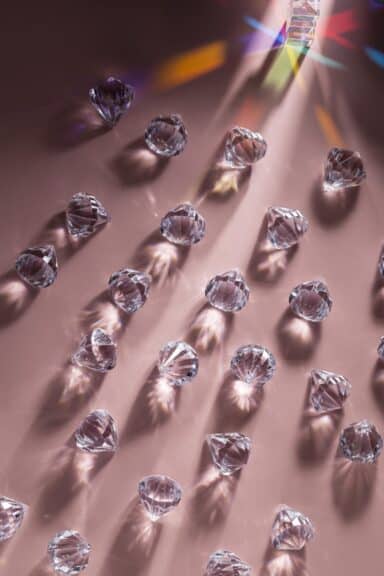
Natural vs Lab-Grown Diamonds: Key Diamond Differences
Origin & Creation
- Natural Diamonds: Formed naturally over billions of years beneath the Earth’s surface.
- Lab-Grown Diamonds: Created in a lab in weeks or months using HPHT or CVD technology.
Appearance & Quality
- Both types are virtually indistinguishable to the naked eye. Even expert gemologists need specialized equipment to tell them apart. Both can be graded for cut, color, clarity, and carat weight.
Value & Rarity
- Natural Diamonds: Rare and finite, which contributes to their higher price and long-term value. Natural diamonds tend to retain value better and are often considered heirloom investments.
- Lab-Grown Diamonds: Can be produced in unlimited quantities, making them more affordable—often 30-80% less expensive than natural diamonds. However, lab-grown diamonds typically have lower resale value and may depreciate as technology advances and supply increases.
Sustainability & Ethics
- Lab-Grown Diamonds: Often marketed as a more ethical and sustainable choice since they avoid traditional mining. However, lab production can be energy-intensive, especially with HPHT methods, and the environmental impact depends on the energy source used.
- Natural Diamonds: The industry supports millions of jobs worldwide and invests in environmental conservation, but mining can have significant ecological and social impacts. Many natural diamonds are now certified conflict-free.
Symbolism & Tradition
- Natural Diamonds: Seen as ancient, rare, and enduring—symbols of everlasting love and tradition.
- Lab-Grown Diamonds: Represent modern innovation, sustainability, and value-conscious choices .
How to Tell the Difference
To the naked eye, there is no visible difference between natural and lab-grown diamonds. Only specialized equipment and certification can distinguish them. Always ask for a grading report from a reputable gemological lab to know the diamond’s origin.

Frequently Asked Questions
- Are lab-grown diamonds real diamonds?
Yes! Lab-grown diamonds are chemically and physically identical to natural diamonds. The main difference is their origin.
- Do lab-grown diamonds look different from natural diamonds?
No, they look the same to the naked eye. Only advanced testing can reveal subtle differences in inclusions or trace elements.
- Which is more valuable: natural or lab-grown diamonds?
Natural diamonds are rarer and tend to retain value better over time. Lab-grown diamonds are more affordable but usually have lower resale value.
- Are lab-grown diamonds more ethical or sustainable?
Lab-grown diamonds avoid mining, but their environmental impact depends on the energy used in production. Natural diamonds support millions of jobs and conservation efforts, but mining can have ecological impacts.
- How can I be sure what type of diamond I’m buying?
Always request a grading report or certificate from a trusted gemological lab. This will state whether your diamond is natural or lab-grown.
Ready to Choose Your Perfect Diamond?
At Regal Studio, we help you navigate the world of natural vs lab-grown diamonds so you can find the perfect stone for your style, values, and budget.Whether you’re seeking a timeless natural diamond or a modern lab-grown alternative, our expert team is here to guide you every step of the way.Contact us today to schedule your diamond consultation and discover the difference for yourself!
Read More: Top 7 Mistakes to Avoid When Ordering Custom Jewelry Design